

Hip and Knee Pain: When Should You See an Orthopaedic Surgeon?
Joint pain can start as something minor, a little stiffness in the morning, discomfort after a walk, or soreness after exercise. Over time, however, these symptoms may begin affecting your mobility, sleep, work, and overall quality of life.
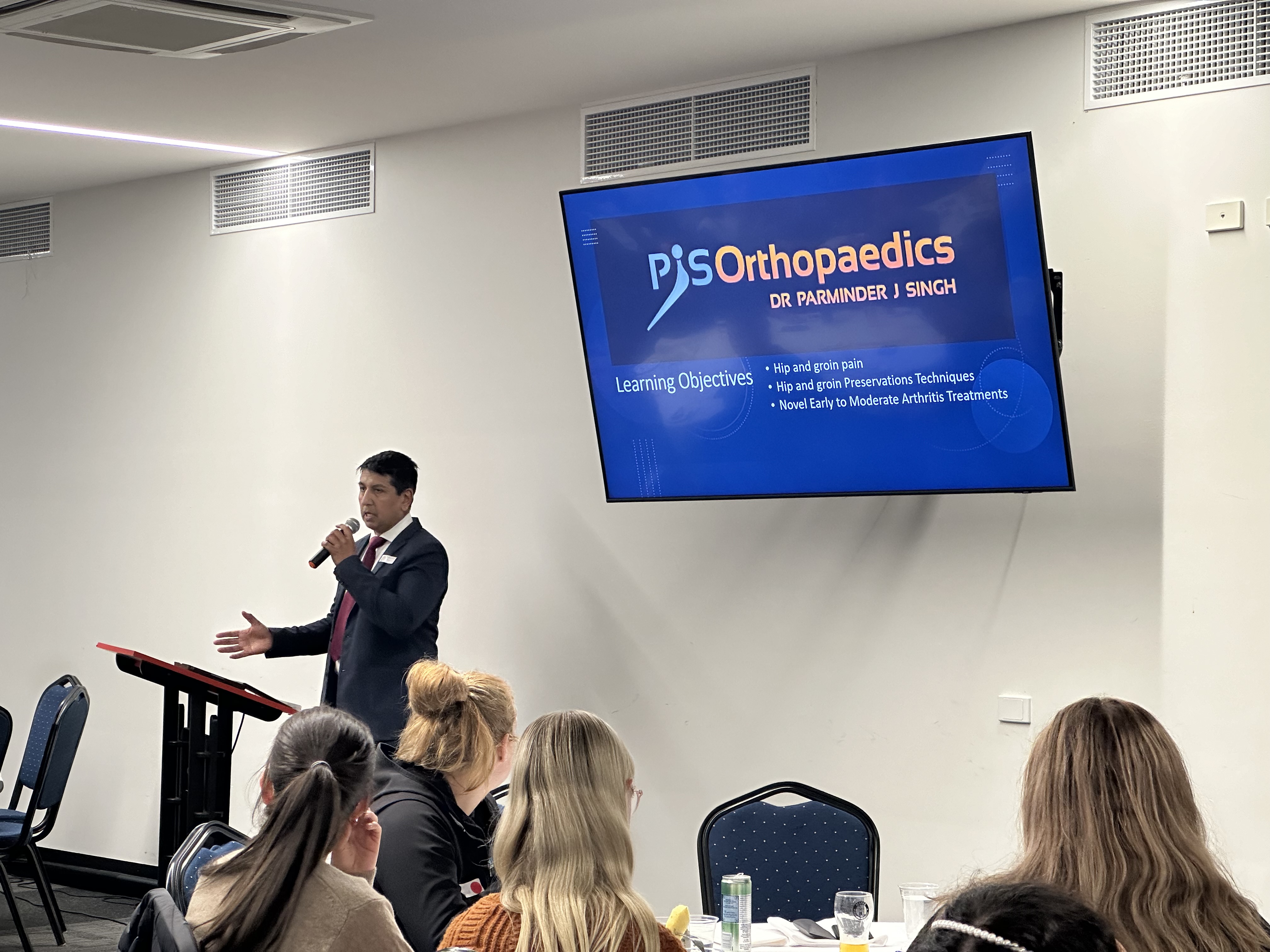
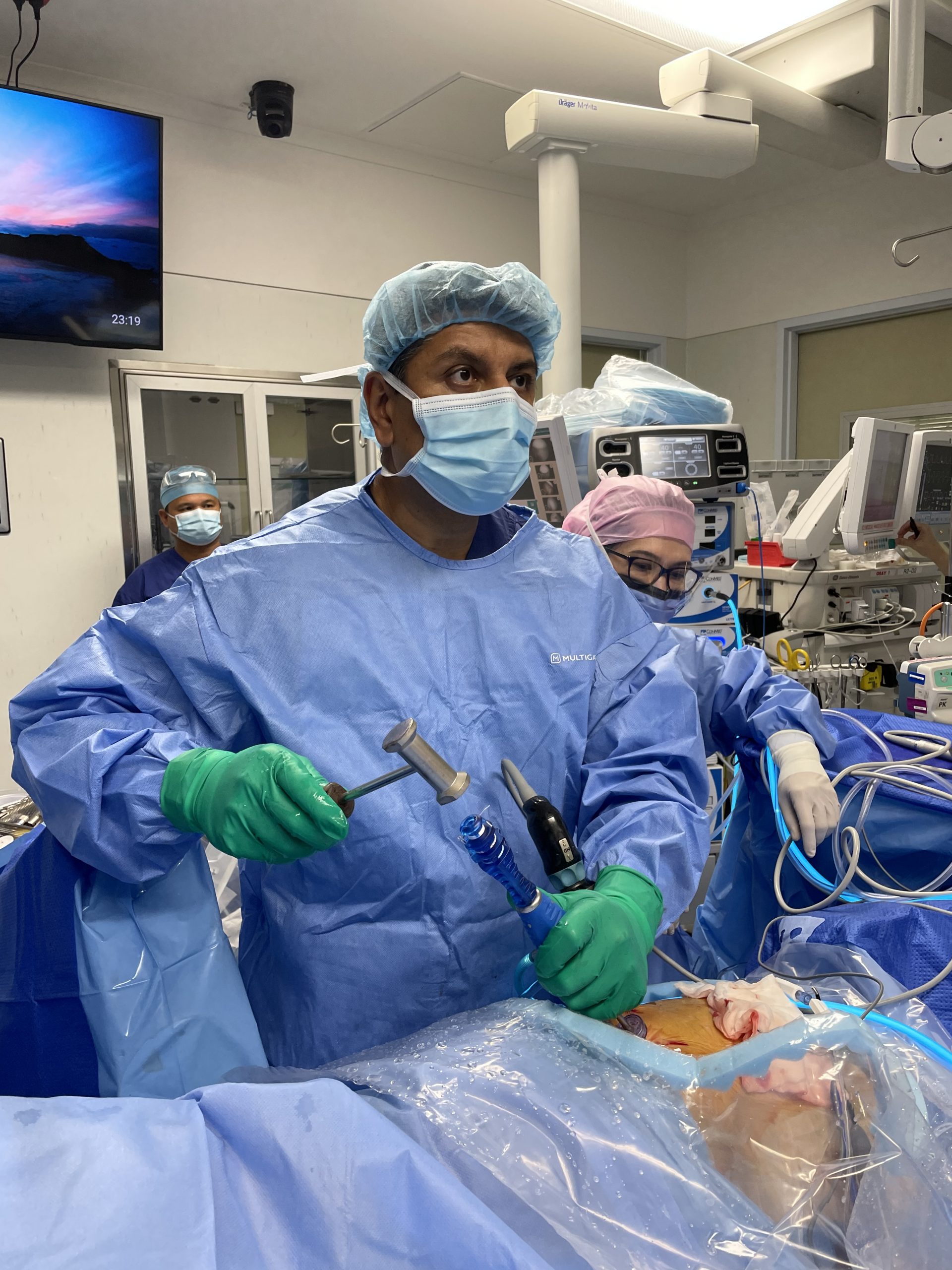
At PJS Orthopaedics, patients receive personalised orthopaedic care for hip and knee conditions using both surgical and non-surgical treatment options. Led by Dr Parminder J Singh, the clinic focuses on helping patients regain mobility and return to daily activities comfortably.
Common Signs You Shouldn’t Ignore
Many people delay treatment because they assume joint pain is simply part of ageing or caused by an old injury. While some discomfort may improve with rest, persistent symptoms may indicate an underlying orthopaedic condition.
Symptoms may include:
- Ongoing hip or knee pain lasting several weeks
- Swelling or stiffness limiting movement
- Difficulty walking, climbing stairs, or standing
- Pain that interrupts sleep
- Reduced ability to exercise or stay active
- Joint instability or “giving way.”
- Pain that does not improve with medication or physiotherapy
These symptoms may be linked to arthritis, cartilage damage, sports injuries, ligament tears, or joint degeneration.
“Early assessment and treatment can help improve mobility and reduce long-term joint damage.”
Understanding Your Treatment Options
Orthopaedic care is not always about surgery. In many cases, patients benefit from conservative treatments aimed at reducing pain and improving joint function.
Non-Surgical Treatments
Depending on the condition, treatment may include:
- Physiotherapy and strengthening exercises
- Lifestyle and activity modifications
- Pain management strategies
- Joint injections
- Rehabilitation programs
- Regenerative therapies
Learn more about orthopaedic treatments at PJS Orthopaedics
When Surgery May Be Recommended
If non-surgical treatments are no longer effective, surgery may be recommended to restore joint function and relieve pain.
Hip Procedures
Common hip procedures include:
- Hip arthroscopy
- Anterior hip replacement
- Hip preservation surgery
- Fracture treatment
Knee Procedures
Common knee procedures include:
- Knee arthroscopy
- Robotic knee replacement
- ACL reconstruction
- Meniscal repair
- Trauma and fracture surgery
Modern orthopaedic techniques often focus on minimally invasive approaches, precision surgical planning, and faster recovery pathways.
Why Early Assessment Matters
One of the most common mistakes patients make is waiting too long before seeking treatment. Early diagnosis may help preserve the joint, reduce pain sooner, and potentially delay the need for major surgery.
Orthopaedic assessments can help determine whether symptoms are caused by arthritis, sports injuries, inflammation, or other musculoskeletal conditions.
Patient-Focused Orthopaedic Care in Melbourne
PJS Orthopaedics provides orthopaedic care across multiple Melbourne consulting locations, offering personalised treatment plans for hip and knee conditions.
The clinic combines advanced surgical techniques with a patient-focused approach designed to support recovery, improve mobility, and help patients return to the activities they enjoy.
Call to Action
If hip or knee pain is beginning to affect your daily life, seeking professional advice early may help you recover faster and move more comfortably.
📍 Book a consultation today with PJS Orthopaedics
Leave A Comment